

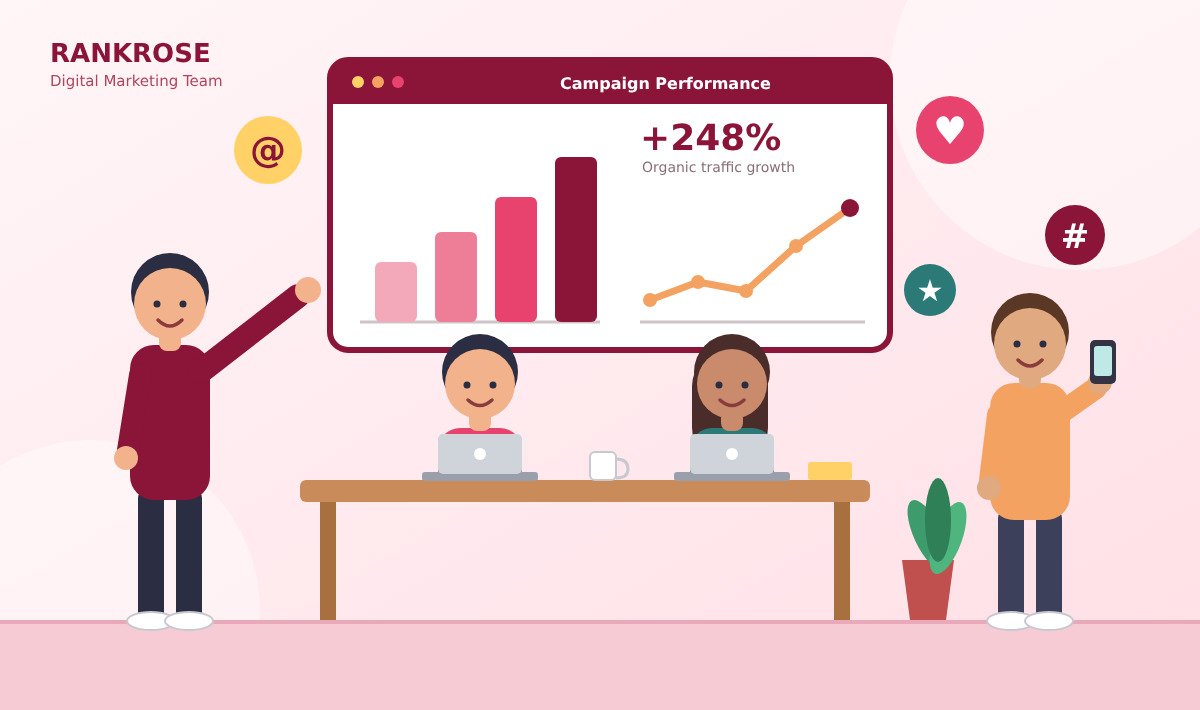
Every business today is competing for the same thing: attention. Your customers search on Google, scroll on Instagram, read reviews on their phones, and compare options in minutes. If your brand isn’t showing up at the right moment, a competitor’s will.
The good news is that you don’t need a huge budget to win online. You need a clear strategy and consistency. Here are seven digital marketing strategies that work in 2026, and how to start using them.
1. Build a Strong SEO Foundation
Search engine optimization (SEO) is still the most cost-effective way to attract customers who are already looking for what you sell. Unlike ads, the traffic doesn’t stop the moment you stop paying.
Where to start:
- Research the keywords your customers actually type into Google.
- Give every important page a unique title tag and meta description.
- Improve page speed and make sure your site works well on mobile.
- Fix broken links and clean up thin or duplicate pages.
SEO is a long game, but the businesses that start early are the ones that dominate results later.
2. Win Local Search with Google Business Profile
If you serve customers in a specific city or region, local SEO can be your biggest growth lever. When someone searches “digital marketing agency near me” or “best dentist in [your city],” Google shows a map pack of local businesses first.
Quick wins:
- Claim and fully complete your Google Business Profile.
- Keep your name, address and phone number identical everywhere online.
- Ask happy customers for reviews, and reply to every one.
- Add real photos and update your hours and services regularly.
3. Publish Content That Answers Real Questions
Content marketing builds trust before a customer ever speaks to you. Blog posts, guides, FAQs and short videos that solve real problems position your business as the obvious expert.
Think about the questions your sales team hears every week. Each one is a potential article. Write for people first, include your target keywords naturally, and make sure every post ends with a clear next step.
4. Use Social Media to Build Relationships, Not Just Reach
Posting daily without a plan rarely works. Pick the one or two platforms where your audience spends time, then focus on being useful and recognisable.
- Instagram and Facebook: visual storytelling, offers, behind-the-scenes content.
- LinkedIn: best for B2B, thought leadership and networking.
- YouTube and Reels/Shorts: short, helpful videos that show your expertise.
Reply to comments and messages quickly. Engagement signals and genuine conversations matter more than follower counts.
5. Run Smart, Targeted Paid Ads
Paid advertising on Google and Meta can bring results quickly while your SEO builds momentum. The key word is targeted. Start with a small budget, a specific audience and one clear goal, such as leads, calls or sales.
Tips for better ad performance:
- Send traffic to a dedicated landing page, not your homepage.
- Test two or three ad variations and keep the winner.
- Track conversions, not just clicks.
6. Don’t Ignore Email and WhatsApp Marketing
Social platforms can change their algorithms overnight, but your email list and customer contacts are assets you own. A simple monthly newsletter or a well-timed follow-up message can bring past customers back and turn warm leads into buyers.
Segment your audience, keep messages short and personal, and always provide value, whether that’s a tip, an offer or an update they care about. Always get permission before messaging people.
7. Measure, Learn and Improve
Marketing without data is guesswork. Set up Google Analytics and Google Search Console, then review them monthly.
Track the numbers that matter:
- Organic traffic and top-ranking pages
- Conversion rate (enquiries, calls, purchases)
- Cost per lead from paid campaigns
- Which channels bring your best customers
Double down on what works, and fix or drop what doesn’t.
Putting It All Together
You don’t have to do everything at once. A practical approach:
- Month 1: Fix your website basics and set up your Google Business Profile.
- Months 2-3: Start publishing helpful content and collecting reviews.
- Months 3-6: Add paid ads and email follow-ups, and use your data to refine.
Digital marketing rewards businesses that are patient, consistent and willing to adapt. Start with one strategy, do it well, and build from there.
Ready to Grow Your Online Presence?
At RankRose, we help businesses get found on Google, attract the right customers and turn visitors into leads. Whether you need SEO, local search optimization or a complete digital marketing plan, we’re here to help.
Get in touch with RankRose today for a free consultation.